Our garden was a bustling paradise, nestled in the heart of farmland, surrounded by vast cornfields drenched in pesticides and slurry. Yet our 7,000 square meters were a sanctuary: a wildflower meadow shaded by trees and bordered by dense shrubs. The bushes teemed with songbirds, while crows and wood pigeons nested high in the trees. We used no poisons—no slug pellets, no chemicals at all. Instead, we let "weeds" (the caterpillars’ favorite buffet) thrive, and even added a tiny pond. The result? A haven for insects, butterflies, and life in all its forms.
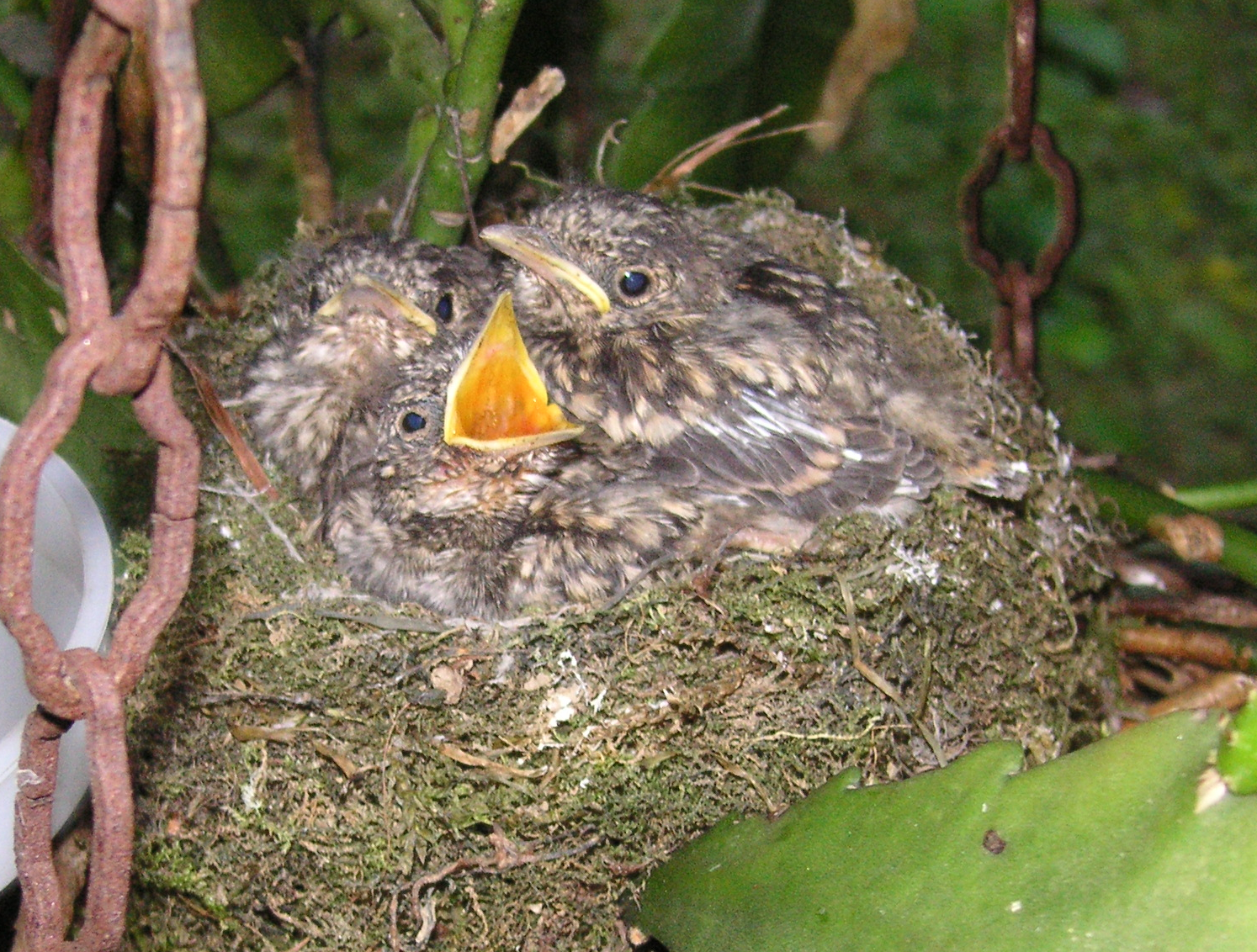 The entrance to our house faced north, sheltered by a wooden roof. In summer, we’d tiptoe through the garden and onto the terrace to avoid disturbing the warbler raising her chicks in a hanging cactus by the door.
Along the northern path, I’d planted a flowerbed of delicate dwarf roses. They bloomed gloriously—my pride and joy. And not just mine.
A mother hare raised her leverets on our land (as did a doe), and the little ones were utterly at home with us. One young hare, in particular, was so fearless he’d approach us at arm’s length while feeding. One day, my husband and I stepped out to go grocery shopping, only to find the little rascal perched by my rosebed, happily munching on my roses—sweet, nectar-rich, and mine.
As we emerged, he paused, looked up at us, and didn’t budge.
I said aloud, "Do they really have to be my roses?"
He gave me a slow, deliberate once-over—top to bottom, bottom to top—then turned away with a dismissive flick of his ears and resumed his feast, utterly unperturbed.
There’s something wonderfully freeing about being so thoroughly ignored.